

Can I Drink the Tap Water in Playa del Carmen?
What to know about Playa's tap water, cisternas and tinacos, garrafones, bottled water, refill stations, delivery, filters, water softeners and reverse osmosis.
 Reviewed for Accuracy
 Last Verified: September 5, 2026
 No Login. Just Answers.
 Quick Answer
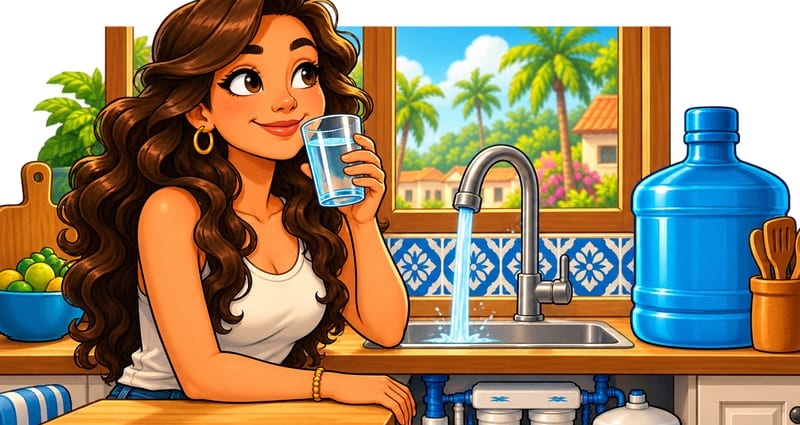
Aguakan supplies Playa del Carmen with water it classifies and monitors as potable under Mexican drinking-water standards. But many homes store that water in a cisterna and/or tinaco before it reaches the faucet, so the condition of the property's own storage tanks and plumbing matters too.
For drinking, many residents use purified water -- usually sealed garrafones, refilled garrafones, or a properly maintained home purification system such as reverse osmosis.
The Simple Rule
Use purified water for drinking and for foods or drinks where the water becomes part of what you consume. Use normal household water for showering, laundry and cleaning. If you are unsure when a cisterna or tinaco was last cleaned, purified water removes that uncertainty for drinking and food preparation.
Is Playa's tap water actually potable?
According to Aguakan, yes: the water it distributes in Playa del Carmen is potable and is monitored against Mexico's current standards for water intended for human use and consumption. Aguakan provides an interactive water-quality map where residents can search by colonia or fraccionamiento and view daily network sampling and accredited laboratory results.
That does not mean every faucet in every home has identical water quality. After the municipal supply reaches a property, the home's cisterna, tinaco, pumps and plumbing become part of the water system. Poorly maintained storage can introduce sediment or contamination even when the water arrived clean.
How water gets to your faucet (typical home)

Aguakan
municipal supply

Cisterna
underground tank

Pump
pressurizes water

Tinaco
rooftop tank

Your home
distributed inside

Your faucet
in the house
Ask Playa Tip
Think of it as two systems: Aguakan is responsible for the municipal supply; the property owner is responsible for what happens inside the home's storage tanks and plumbing.
Cisterna? Tinaco? Here's what those are.
Many Playa homes do not rely on municipal pressure alone. Water may first enter a cisterna -- a larger storage tank, often at or below ground level -- and then be pumped to the house or to a tinaco, a smaller elevated storage tank that can supply the home by gravity.
Aguakan says bacteria and sediment can accumulate in a cisterna and recommends cleaning it at least every six months. Its March 2026 guidance specifically notes that Playa del Carmen's heat and humidity make maintenance especially important.
What water should I use?
It depends on what you're doing. Here's a simple guide for everyday life in Playa.
Use purified water for:
- Drinking
- Coffee & tea
- Soups, broth, rice & similar cooking
- Brushing teeth (especially if storage maintenance is unknown)
- Making ice at home
- Pets -- the same purified water your household drinks is a simple option
Normal household water is fine for:
- Showering
- Laundry
- Cleaning
Food preparation:
- Wash raw fruits & vegetables with potable/safe water
- Mexican guidance also recommends appropriate food-safe disinfection where applicable

Nasal rinsing / neti pots
Do not use ordinary tap water simply because it is drinkable. Follow health guidance for distilled, sterile or properly boiled water.
What is a garrafón?
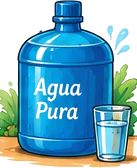 A garrafón is the large reusable drinking-water bottle you will see in homes, shops and delivery trucks throughout Playa. The common household size is around 20 liters.
Residents generally get purified water in one of three ways: exchange a sealed branded garrafón, refill their own clean garrafón at a purificadora or refill station, or arrange home delivery.
Keep the container clean
Mexico regulates packaged and bulk drinking water -- and ice intended for human consumption -- under NOM-201-SSA1-2015. The standard includes sanitary requirements for filling areas, reusable containers, cleaning and disinfection.
Reserve a reusable garrafón for drinking water only. Keep it capped and clean, and do not reuse a container that previously held cleaners, chemicals or other non-food substances.
Sealed garrafón, refill or delivery?
All three options are common in Playa. Here's how they compare:
Sealed branded garrafón
- Simple exchange system
- Convenient and widely available
- Check that the seal is intact
- Usually higher cost than refill
Purificadora / refill station
- Bring your own clean garrafón
- Lowest ongoing cost
- Choose a clean, well-maintained facility
- Usually the most economical option
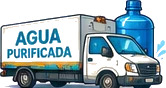
Home delivery
- Convenient and time-saving
- Scheduled or on-demand delivery (varies by provider)
- Check delivery area and exchange/refill model
- Cost varies by provider

Small bottled water
Small bottled water is a convenient option for travel, the beach or when you're out and about. It's usually more expensive per liter and creates more plastic waste, so most residents rely on garrafones or home purification for everyday use.
Ask Playa Tip
Prices vary by brand, exchange vs. refill, delivery service and location, and they can change frequently -- treat any single number you hear as a snapshot, not a guarantee.
What about refill stations and purificadoras?
 Refilling a clean garrafón is a normal and economical option in Playa. Choose an established purificadora or refill station that appears clean and well maintained. The Mexican standard for bulk drinking water (NOM-201-SSA1-2015) specifically addresses sanitary filling areas, container cleaning and disinfection.
Reverse osmosis: is it worth installing?
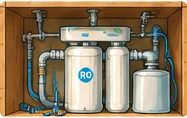 Reverse osmosis (RO) is a home water-treatment process that pushes water through a membrane and can reduce many dissolved substances. Depending on the system, it can also reduce microorganisms and other contaminants. It is not the same thing as a simple refrigerator filter or carbon filter.
A properly selected and maintained under-sink RO system can be a convenient alternative to continually buying, carrying or storing garrafones. But RO systems need filter and membrane replacement, and the exact performance depends on the model. Do not rely only on a salesperson's use of the word “purifies.” Check the system's actual certified reduction claims.

Certification shortcut
CDC notes that NSF standards can help consumers understand filter performance: NSF 42 generally addresses taste/odor claims, NSF 53 includes certain health-related contaminant reduction claims, and NSF 58 covers reverse-osmosis systems.
Filter vs. water softener vs. reverse osmosis
Final Tips
- Reverse osmosis removes many dissolved substances, including some naturally occurring minerals. Some systems add a remineralization stage, often to change taste and water characteristics. Individual health or dental questions belong with a healthcare or dental professional -- Ask Playa does not make dietary or supplement recommendations based on the type of water someone drinks.
- Playa sits on the limestone geology of the Yucatán Peninsula, and mineral buildup -- commonly called sarro -- is a familiar household issue. A water softener may help reduce scale on fixtures, shower glass and appliances, but a softener is not a substitute for drinking-water purification.
- Commercial ice intended for human consumption is covered by Mexico's NOM-201 drinking-water and ice standard. At home, make ice with the same purified water you use for drinking. If you're somewhere and unsure of the source, you can simply ask: “¿El hielo es de agua purificada?” -- “Is the ice made from purified water?”
- Mexican public-health guidance recommends washing fruits and vegetables with potable water and, where appropriate, disinfecting them with a product intended for food use according to the manufacturer's directions. If a home's cisterna or tinaco condition is unknown, using purified water for food preparation or the final rinse is an easy conservative choice.
- If your tap water suddenly looks, smells or tastes different, don't assume it's normal. Check Aguakan's water-quality information and current service notices, then consider the property's own cisterna, tinaco, pump and plumbing -- a localized problem inside the home can be different from a network-wide water-quality issue. Aguakan's Playa del Carmen customer-service number is (984) 873-0145.
 Frequently Asked Questions
Is tap water in Playa del Carmen safe to drink?
Aguakan classifies and monitors the water it distributes in Playa del Carmen as potable under Mexican drinking-water standards. But many homes store that water in a cisterna and/or tinaco before it reaches the faucet, so the condition of the property's own storage tanks and plumbing matters too -- most residents use purified water (garrafones, refill stations or home reverse osmosis) for drinking.
What is a garrafón?
A garrafón is the large reusable purified-drinking-water bottle common throughout Playa, usually around 20 liters. Residents get one by exchanging a sealed branded garrafón, refilling their own at a purificadora or refill station, or arranging home delivery.
How often should I clean my cisterna?
Aguakan recommends cleaning a cisterna at least every six months, since bacteria and sediment can accumulate inside it -- its March 2026 guidance specifically flags Playa del Carmen's heat and humidity as a reason maintenance matters here.
Is it safe to make ice at home with tap water?
Make ice with the same purified water you use for drinking, not straight tap water -- commercial ice intended for human consumption is covered by Mexico's NOM-201 drinking-water and ice standard. If you're out and unsure of the source, you can ask: “¿El hielo es de agua purificada?” -- “Is the ice made from purified water?”
Does reverse osmosis replace buying garrafones?
A properly selected and maintained under-sink reverse osmosis (RO) system can be a convenient alternative to continually buying, carrying or storing garrafones. RO systems still need filter and membrane replacement, and performance depends on the model -- check the system's actual certified reduction claims (NSF 42/53/58) rather than a salesperson's use of the word “purifies.”
What's the difference between a water softener and reverse osmosis?
A water softener reduces hardness minerals and scale (sarro) and improves water for household use, but it does not purify drinking water. Reverse osmosis purifies drinking water through a membrane and can, when appropriately certified, installed and maintained, replace garrafón or bottled water for drinking.
 Sources
- Aguakan -- Water quality by neighborhood / interactive map
- Aguakan -- Water Quality portal
- Aguakan -- Cisterna cleaning guidance (March 27, 2026)
- Aguakan -- 100% potable-water coverage in service areas (May 27, 2026)
- Diario Oficial de la Federación -- NOM-201-SSA1-2015, packaged/bulk drinking water and ice
- CDC -- About Choosing Home Water Filters
- Secretaría de Agricultura y Desarrollo Rural -- Washing and disinfecting fruits and vegetables (July 23, 2026)

Was This Helpful?